
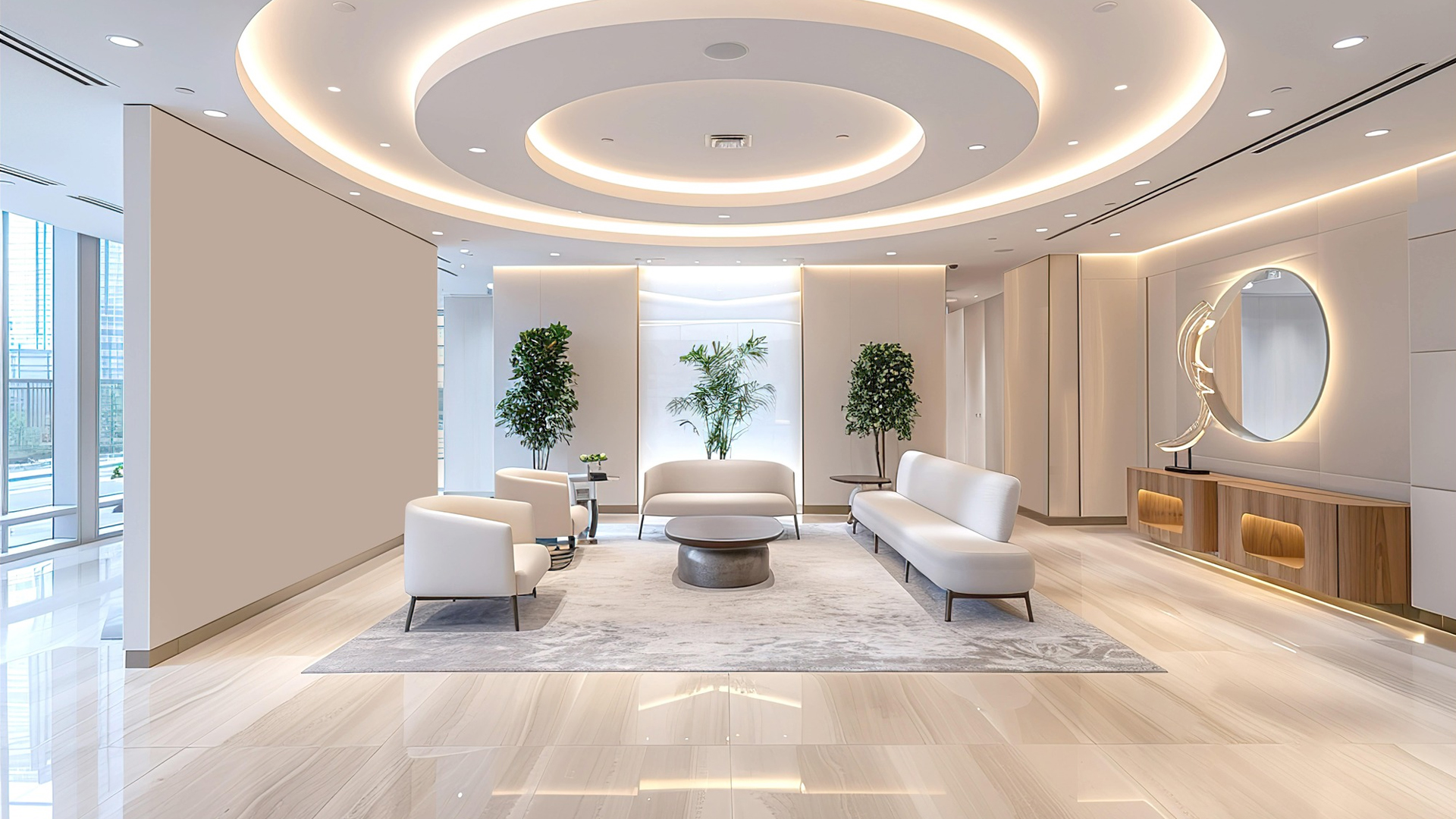
Modern False Ceilings for Stylish Interiors
A false ceiling unit—also known as a drop ceiling or suspended ceiling—is a secondary ceiling constructed below the main structural ceiling. It is designed to enhance interior aesthetics while concealing electrical wiring, ducting, pipes, and structural elements. False ceilings also improve lighting, acoustics, and thermal comfort in residential and commercial spaces.
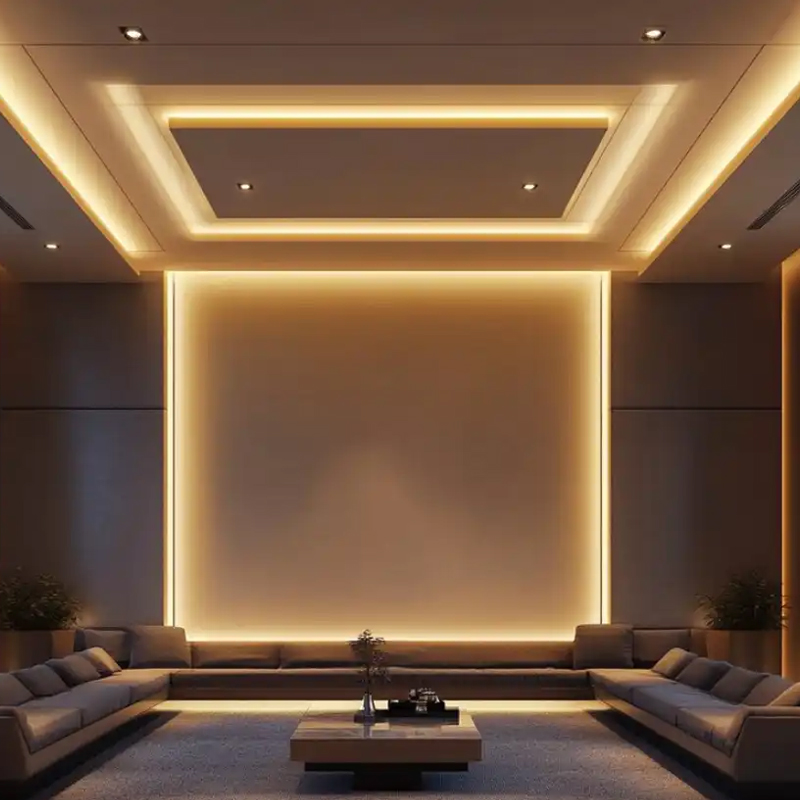
Gypsum False Ceiling Unit
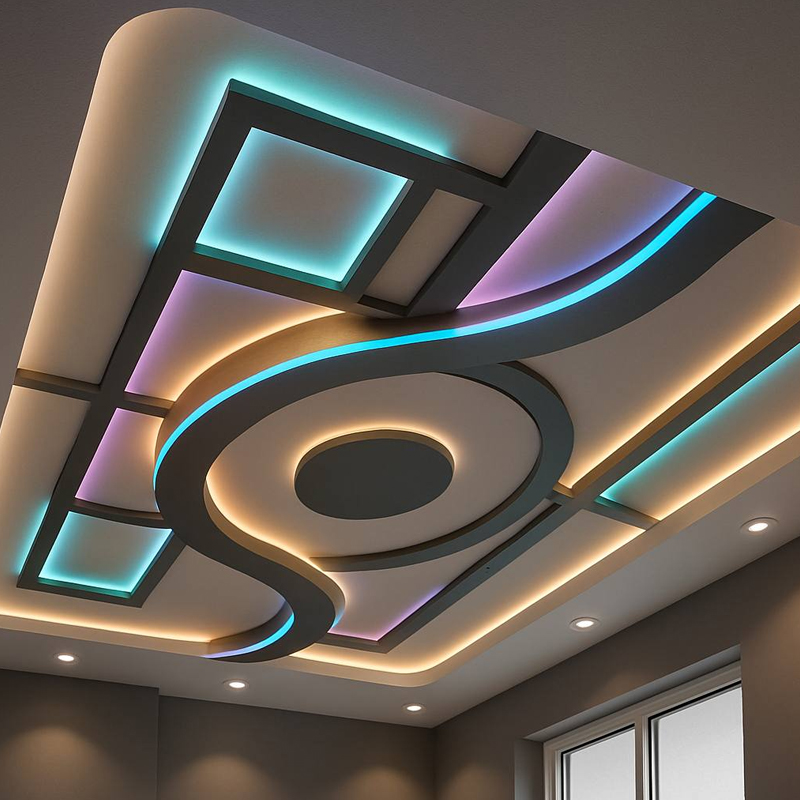
POP (Plaster of Paris) Ceiling Unit
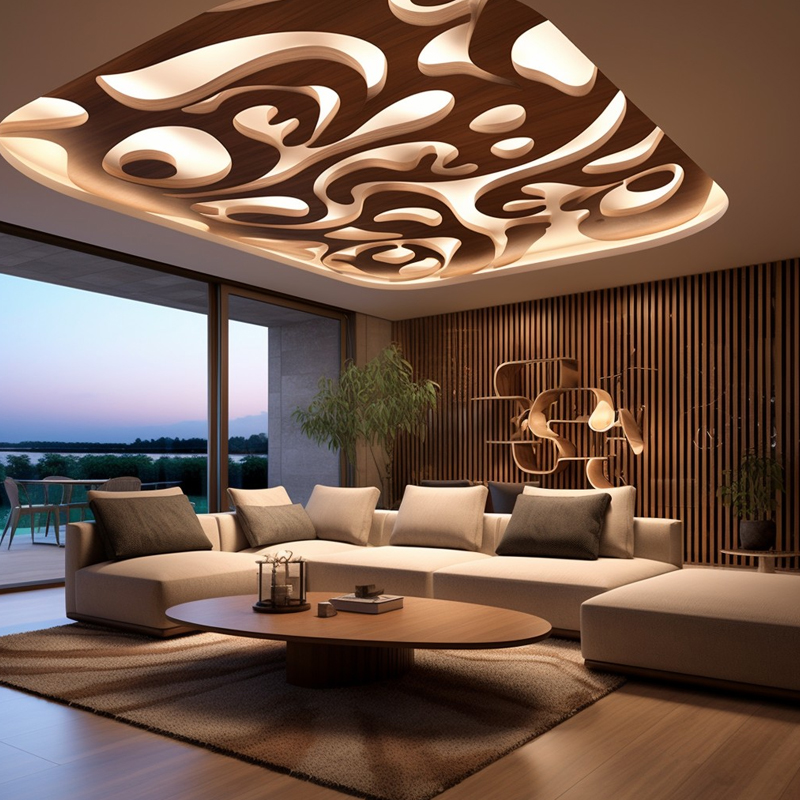
Wooden False Ceiling unit
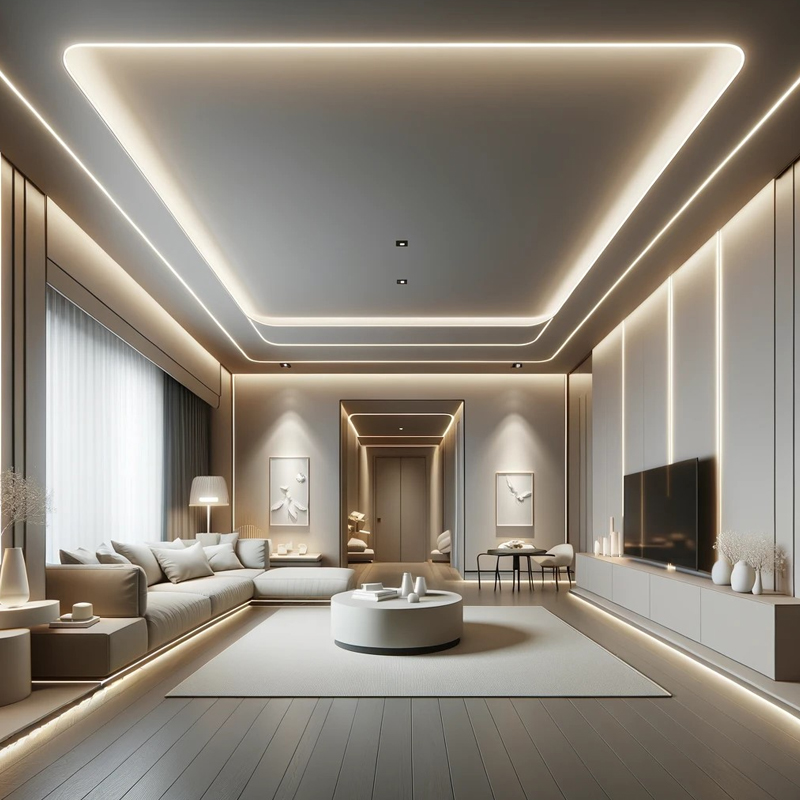
Metal False Ceiling Unit Designs
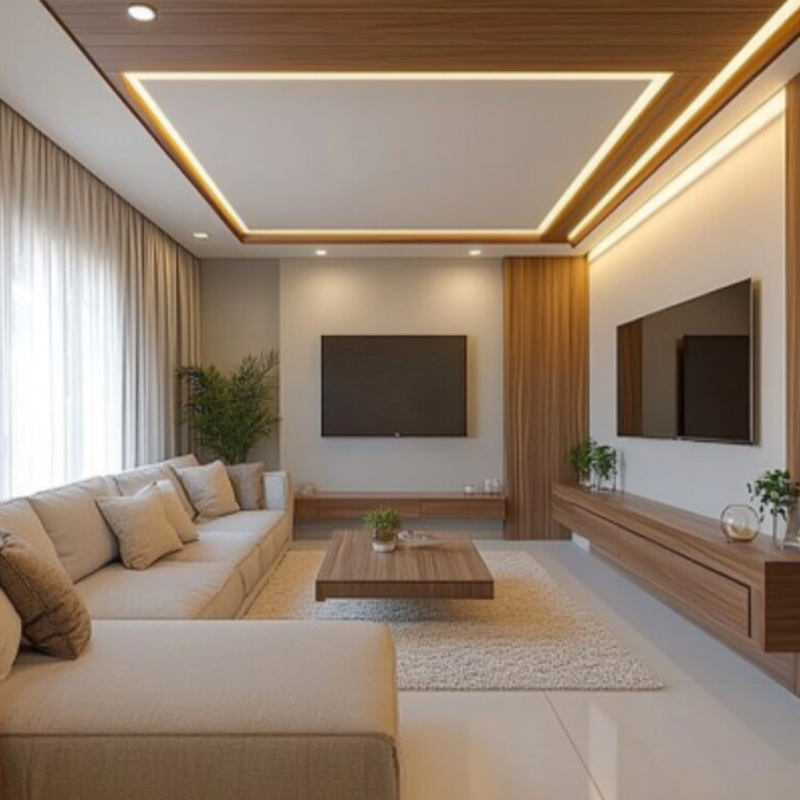
PVC False Ceiling Unit
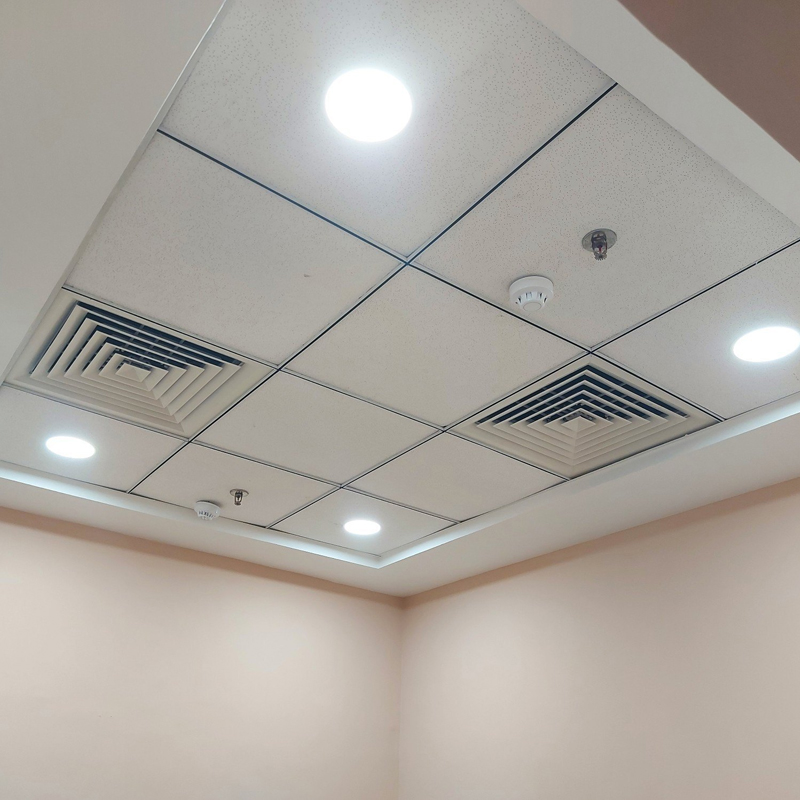
Grid / Modular False Ceiling Unit
Essentials to Know Before Choosing a False Ceiling Unit
When selecting a false ceiling unit, consider the following essentials:
Room Height & Space - Ensure sufficient ceiling height after installation | False ceilings typically reduce ceiling height by 4–6 inches.
Lighting Requirements - Plan for recessed lights, cove lighting, or spotlights | Lighting layout impacts both ambiance and functionality.
Material Selection - Choose gypsum, POP, wood, metal, or PVC based on durability, finish, and moisture resistance.
AC & Ventilation Planning - Ensure proper placement for air vents, ducts, and maintenance access.
Budget & Maintenance - Design complexity and material choice affect cost | Consider ease of repair and long-term maintenance.
Types of False Ceiling Units
Gypsum False Ceiling
Smooth finish with clean lines; Most popular choice for residential interiors and modern designs.
POP (Plaster of Paris) Ceiling
Allows intricate designs and curves; Ideal for decorative and customized ceiling patterns.
Wooden False Ceiling
Premium and warm appearance; Best suited for luxury living rooms and bedrooms.
Metal False Ceiling
Strong and durable; Commonly used in commercial spaces and modern industrial interiors.
PVC False Ceiling
Moisture-resistant and low maintenance; Ideal for kitchens, bathrooms, and utility areas.
Grid / Modular False Ceiling
Removable panels for easy maintenance access; Widely used in offices and commercial buildings.
Design Trends for False Ceiling Units in 2026
Minimalist ceiling layouts with clean lines and subtle detailing
Layered false ceilings with depth and multi-level designs
Cove lighting with warm LEDs for soft and ambient illumination
Geometric and linear patterns for modern ceiling aesthetics
Wood-accent false ceilings to add warmth and luxury appeal
Integrated smart lighting with dimmers and automation support
Acoustic-friendly ceiling designs for improved sound control
Main Components of a False Ceiling Unit
Main Ceiling Structure - The original RCC or slab ceiling that supports the false ceiling framework.
Metal Framework - GI or aluminum channels and grids that form the skeleton of the false ceiling.
Ceiling Boards / Panels - Gypsum, POP, PVC, wood, or metal panels fixed onto the framework.
Hangers & Fasteners - Wires, rods, screws, and anchors used to suspend and secure the ceiling.
Electrical & AC Provisions - Concealed wiring, junction boxes, AC ducts, and access panels.
Lighting Fixtures - Recessed lights, spotlights, cove lighting, or LED strips integrated into the ceiling.
Materials Used in False Ceiling Units
Gypsum Board
Lightweight with a smooth finish; Most commonly used for residential false ceilings.
Plaster of Paris (POP)
Allows intricate moulding and custom designs; Ideal for decorative ceiling patterns.
Metal (GI / Aluminum)
Strong, durable, and fire-resistant; Common in commercial and modern interiors.
Wood
Premium and warm appearance; Used as accents in luxury residential spaces.
PVC
Moisture-resistant and low maintenance; Suitable for kitchens, bathrooms, and utility areas.
Fiber Cement Board
Highly durable and moisture-resistant; Ideal for semi-outdoor and high-humidity areas.
Acoustic Panels
Designed to absorb sound; Commonly used in home theatres and offices.
Glass Panels
Used for decorative ceiling elements; Adds a modern and luxurious touch.
Get Expert False Ceiling Design Consultation
Enhance your interiors with modern false ceiling designs featuring elegant lighting, clean finishes, and smart space utilization. Contact SKM Home Interior to get customized false ceiling solutions tailored to your home.
Request a Free Design Consultation